The Smart Way to Buy and Burn Firewood in Florida
When you live in Florida, the idea of buying firewood might seem a little odd. After all, this is the Sunshine State, not some snowy northern forest. But anyone who has spent a cool winter evening in Volusia County knows better. A fire pit in the backyard, a chimenea on the patio, or even an indoor fireplace can turn a mild January night into something special. The problem is that not all firewood is created equal. And if you grab the first pile you see at a gas station or from a roadside seller, you might end up with wood that pops, smokes, or carries pests into your yard.
I have been around trees my whole life, and I have learned that the difference between a good fire and a frustrating one often comes down to what you burn. In Florida, the choices are different from what you would find in, say, the Pacific Northwest or the Northeast. Our trees are mostly hardwoods like live oak, laurel oak, hickory, and some varieties of pine. But pine, especially when it is fresh, can be a mess. It burns hot and fast, and it leaves behind a lot of creosote in your chimney. That is why I always recommend seasoned hardwoods for anyone who wants a clean, long-lasting fire.
What Makes Firewood Good
Good firewood starts with the tree it came from. Hardwoods like oak and hickory have dense cell structures. That density means they burn slower and produce more heat per log than softwoods like pine or cedar. But density alone is not enough. The wood has to be dry. Freshly cut wood can contain up to fifty percent water by weight. If you try to burn that, most of the energy goes into boiling off the water. You get a lot of steam, very little heat, and a fire that struggles to stay lit.
Seasoning is the process of drying wood to a moisture content below twenty percent. It usually takes six to twelve months, depending on the climate and how the wood is stored. In Florida, with our humidity, it can take even longer if the wood is piled on the ground or covered with a tarp that traps moisture. The best setup is to stack the wood off the ground on pallets or rails, with the top covered but the sides open to let air circulate. That way, the sun and wind do the work.
One thing I see often is people buying "seasoned" firewood from a seller who just cut the trees last week. The logs might look dry on the outside, but inside they are still wet. A simple test is to knock two pieces together. Dry wood makes a sharp, hollow sound. Wet wood makes a dull thud. Another test is to look for cracks on the ends of the logs. As wood dries, it shrinks and checks appear. Those cracks are a good sign that the moisture has left the wood.
Why Local Matters for Firewood
There is a reason that experts tell you to buy firewood locally. In fact, many states have campaigns like "Buy It Where You Burn It." The goal is to stop the spread of invasive insects and diseases. The emerald ash borer, the Asian longhorned beetle, and the fungus that causes oak wilt can all hitch a ride on firewood that is moved from one area to another. In Florida, we have our own set of pests, including the redbay ambrosia beetle and the citrus longhorned beetle. Moving wood from one county to another might seem harmless, but it can introduce problems that take decades and millions of dollars to fix.
When you buy from a local supplier who cuts and seasons wood from trees that grew in your area, you reduce that risk. You also get wood that is suited to your local climate. A tree service company that works in Volusia County, for example, knows which trees are common here and which ones make the best firewood. They also know how long to season it so it burns well in our humid environment.
How to Stack and Store Firewood
Once you have a good pile of firewood, the next challenge is keeping it dry. I have seen people stack wood against the side of their house, right on the ground, with a tarp wrapped around the whole stack like a present. That is a recipe for mold, rot, and insect nests. The tarp traps moisture underneath, and the ground wicks water up into the bottom logs. Instead, follow these simple guidelines:
- Stack the wood on a raised platform, like a pallet or a set of concrete blocks, to keep it off the soil.
- Leave space between the stacks so air can move through. A few inches between rows is enough.
- Cover only the top of the pile with a tarp or a sheet of metal. Leave the sides open to the breeze.
- Keep the wood pile at least a few feet away from your house to prevent termites or other pests from finding a path inside.
- Rotate your stock. Use the oldest wood first, and keep adding new wood to the back of the pile.
I have also learned that a covered woodshed is worth the investment if you burn a lot. It keeps rain off while letting air flow through. In Florida, where afternoon showers can pop up out of nowhere, having dry wood ready to go makes a real difference.
Burning for Heat vs. Burning for Ambiance
Not all fires have the same goal. Sometimes you want a roaring blaze to take the chill off a room. Other times you just want a small, smoky fire that smells good and looks pretty. The type of firewood you use should match the purpose.
For heat, you want dense hardwoods that burn slowly and throw a lot of BTUs. Oak is the gold standard. Hickory is also excellent, though it can be harder to find. Both produce a steady bed of coals that keep radiating heat long after the flames die down. If you are heating a room or a cabin, those coals matter. A fire that burns too fast leaves you cold when it is over.
For ambiance, you have more room to experiment. A mix of hardwoods and a few pieces of fruitwood, like pecan or citrus, can give off a pleasant aroma. Some people like a bit of pine for the crackle, but be careful. Pine sap can pop and send sparks flying. That is fine in a fire pit with a screen, but dangerous in an open fireplace. Also, avoid burning any wood that has been treated, painted, or glued. That includes pallets, construction scraps, and old furniture. The chemicals released can be toxic.
What About Firewood from Tree Services?
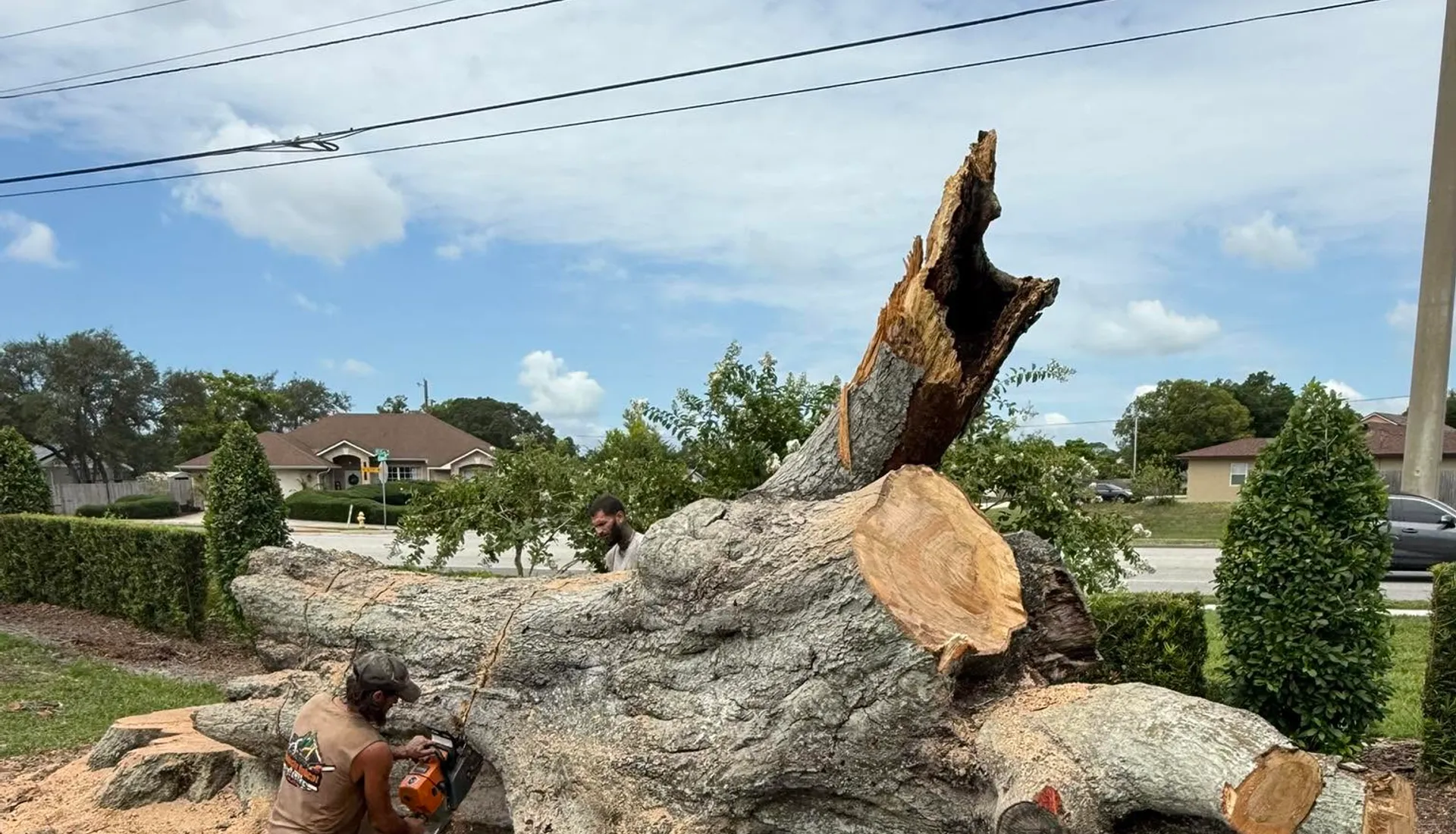
A common question I get is whether it is a good idea to buy firewood from a tree service company. The answer is usually yes, with a few caveats. When a tree service removes a tree, they often turn the wood into logs for firewood. That wood might be fresh, so you need to season it yourself. But if you have the space to stack it and the patience to wait, you can get a great deal. Some tree services also sell seasoned wood that they have been holding for months. That is even better.
One thing to watch for is the species. If the tree service took down a diseased or pest-infested tree, you do not want that wood near your property. A reputable company will know which trees are safe and which ones should be disposed of differently. They will also split the wood into manageable sizes. A log that is too big to lift is not much use to anyone.
Safety First: Stacking and Burning
I have seen too many close calls with firewood that was stored poorly or burned carelessly. A few safety habits can prevent problems. Always keep your firewood pile at least ten feet away from any structure, especially if you live in an area prone to wildfires. In Volusia County, we have dry seasons where the brush gets crispy, and a stray spark can cause real trouble. Also, never burn wood that has been treated with any kind of pesticide or preservative. The smoke can be harmful to you and your neighbors.
When you build a fire, use a good screen or a spark guard. And never leave a fire unattended, even if it is just a small one. I have seen fires rekindle hours later when a breeze hit the ashes. Let the fire burn down completely, then spread the ashes out to cool before you dispose of them. Ash can stay hot for days under the surface.
Bringing It All Together
Choosing the right firewood is not complicated, but it does require a little knowledge. Know what you are buying, where it came from, how dry it is, and what you plan to use it for. If you take the time to source good wood and store it properly, your fires will be cleaner, hotter, and more enjoyable. And you will avoid the frustration of smoky, popping logs that go out before you are ready to call it a night.
For those in the Volusia County area, Volusia Bobcat & Tree Service, located at 210 Valencia Rd, DeBary, FL 32713, and reachable at +1 386-675-7898, offers professional tree removal, trimming, stump grinding, emergency services, and firewood sales from locally sourced trees.
Connect with us on Facebook.